Is BMI Accurate? What It Gets Right and Wrong
BMI is everywhere, but it has clear limits. Here is what it is good for and when you need other numbers.
Calculate it for yourself
BMI Calculator
Body Mass Index with WHO category thresholds.
The body mass index shows up at every check-up and in every health app. It is quick to work out, which is exactly what it was built for. As a rough sort for large groups it is useful. As a verdict on one person it has clear weaknesses.
What BMI measures
BMI relates only weight to height. The WHO groups adults like this: under 18.5 is underweight, 18.5 to 24.9 is a healthy weight, 25 to 29.9 is overweight and 30 and above is obesity.
Where BMI falls short
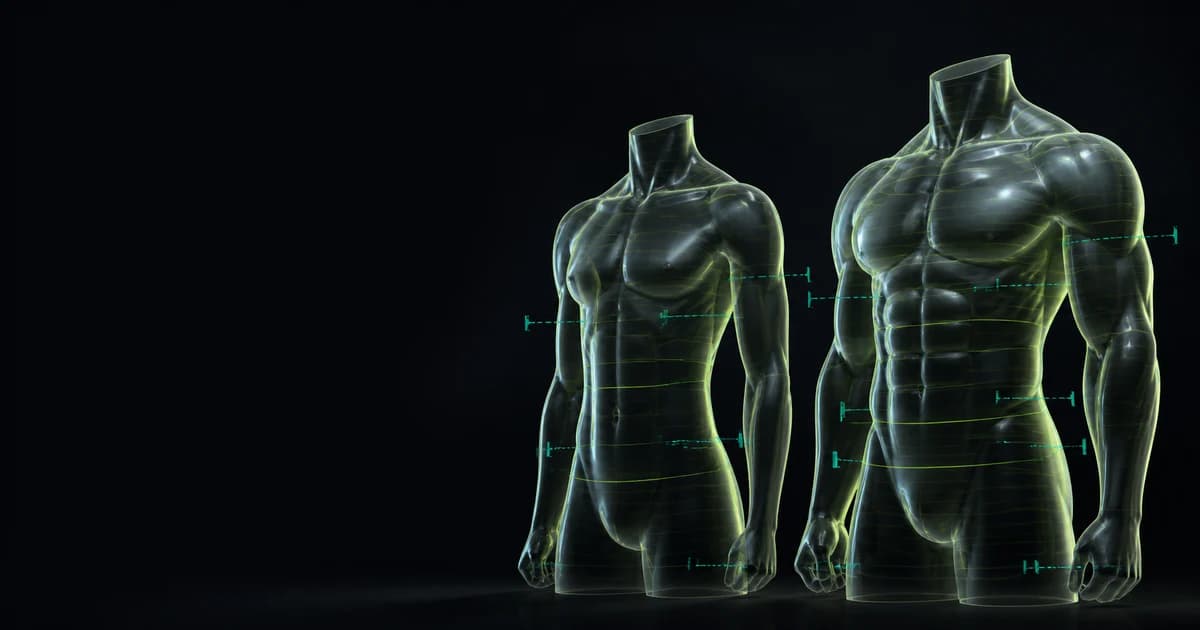
BMI cannot tell muscle from fat. A muscular athlete often lands in the overweight band even though their body fat is low. The other way round, someone can have a normal BMI and still carry a lot of belly fat.
- It ignores where the fat sits. Belly fat carries more health risk.
- It fits poorly for very muscular or very tall people.
- Different thresholds apply for some population groups.
Frequently asked questions
Further reading on Trainera
In-depth guides from Trainera, the coaching app that sponsors this site.